Gin Rummy Rules: How to Play Gin Rummy
Gin rummy is a card game for two players. You draw and discard to sort your 10 cards into melds, then end the hand by knocking or going gin, scoring points for the cards your opponent couldn't use. The first player to reach 100 points wins the game.
A hand takes a few minutes, and the only equipment is one deck of cards and something to keep score with. This guide covers the classic rules most people learn, with the common scoring variants marked as you go.
On this page
The goal
In each hand you're trying to arrange your cards into melds, groups of cards that belong together. There are two kinds:
- A set is three or four cards of the same rank, such as three kings.
- A run is three or more cards in a row in one suit, such as the 4, 5 and 6 of hearts.
Any card that isn't part of a meld is deadwood. Deadwood counts against you, so the aim is to get it as low as you can, as fast as you can. When your deadwood is 10 points or less you may knock to end the hand. If every card is in a meld, you go gin and earn a bonus.
Each hand ends with one player scoring. Hands add up over a game, and the first to 100 wins.
What you need
- One standard 52-card deck, with the jokers taken out.
- Two players. Gin rummy is a game for exactly two.
- A way to keep score. Gin scoring has a few bonuses added at the end, so it helps to have the gin rummy score keeper open on your phone, or a printable sheet from the score sheets page.
Card values
When you count deadwood, cards are worth:
| Card | Points |
|---|---|
| King, queen, jack, 10 | 10 |
| 2 to 9 | Face value |
| Ace | 1 |
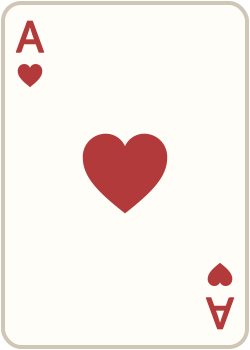
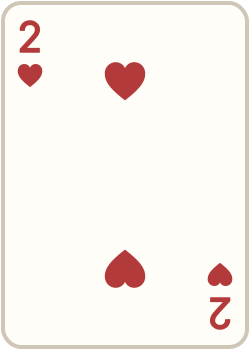
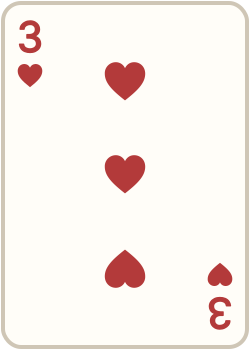
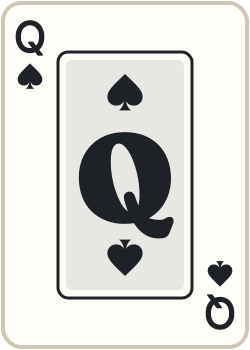
Aces are always low in gin rummy. A-2-3 of a suit is a run, but Q-K-A is not, and a run can't wrap around from king to ace to 2.
Setup and dealing
Cut the deck to choose the first dealer. After that, the winner of each hand usually deals the next one. Some groups take turns instead, so agree before you start.
The dealer shuffles and deals 10 cards to each player, one at a time, face down. The next card is turned face up to start the discard pile. This first face-up card is called the upcard. The rest of the deck goes face down beside it as the stock, the pile you draw from.
Before normal play starts, the upcard is offered in a fixed order:
- The non-dealer may take it. If they do, they discard a card and the dealer takes the next turn.
- If the non-dealer passes, the dealer may take it and discard.
- If both pass, the non-dealer draws the top card of the stock to start the first turn.
Pick up your cards and sort them into likely melds. Most players group by suit and then by rank, so runs and sets are easy to spot.
A turn, step by step
Draw one card
Take either the top card of the stock or the top card of the discard pile. The discard pile is face up, so your opponent sees what you take from it. That tells them something about your hand, but a card you know you need is often worth the giveaway.
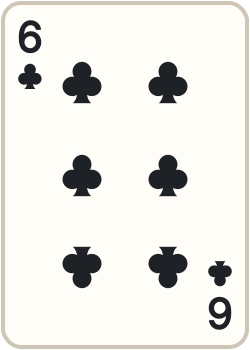
Take the top card of the stock, or the top card of the discard pile (here the 6 of clubs). Rearrange your hand
You now hold 11 cards. Look for new melds and work out which card helps you least. Melds stay in your hand: unlike basic rummy, you don't lay them on the table during play.
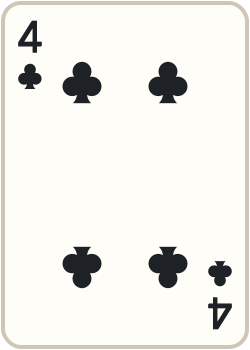
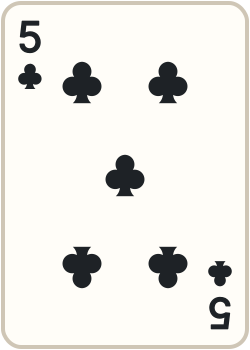
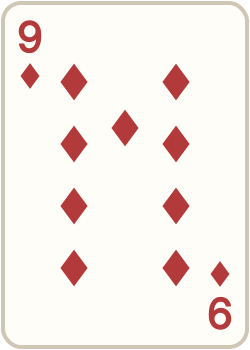
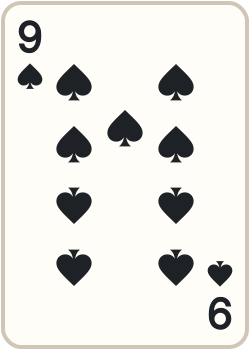
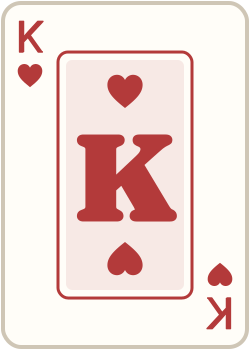
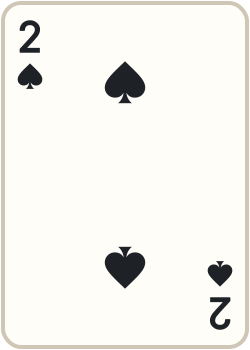
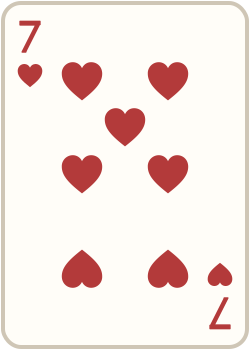
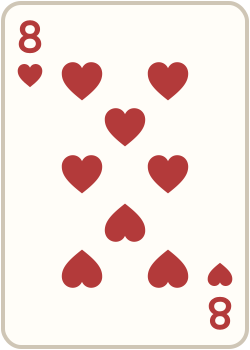
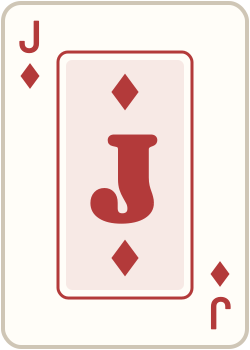
The 6 of clubs completes a run. The pair of 9s is a meld in waiting; the rest is deadwood. Discard one card
Place one card face up on the discard pile, so you're back to 10 cards. You can't throw the card you just took from the discard pile on the same turn. If you drew from the stock, you may discard the card you drew.
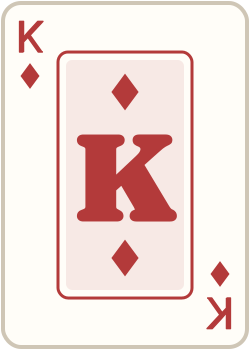
Throwing a high card you can't use, such as this king, cuts your deadwood fastest. Knock if your deadwood is 10 or less
After you draw, instead of a normal discard you can knock: discard one card, then lay your hand face up, split into melds and deadwood. You need 10 or fewer points of deadwood left after the discard. Knocking is always optional. You may keep playing to lower your deadwood or chase gin.
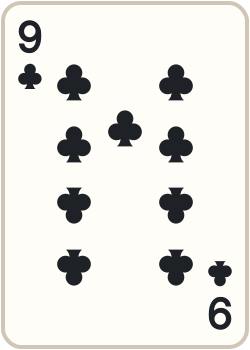
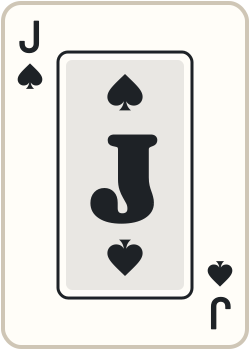
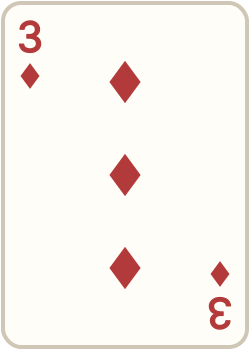
Three melds and a single 3 of diamonds: 3 points of deadwood, so you can knock. Your opponent lays off
The other player, called the defender, now lays down their own melds. Then they can lay off: add any of their deadwood cards to the knocker's melds, extending a run or completing a set of four. Cards laid off don't count as deadwood. The knocker never lays off on the defender's melds.
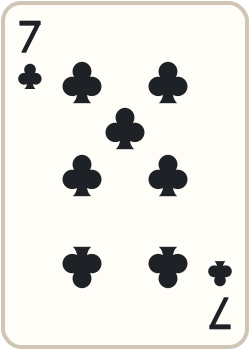
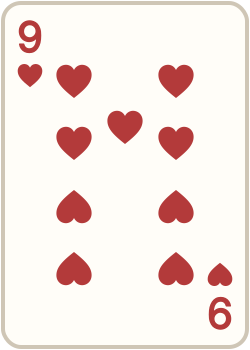
The defender adds the 7 of clubs and the 9 of hearts to the knocker's melds, so those cards no longer count as deadwood. Or go gin
If all 10 of your cards are in melds after your discard, you go gin. Lay your hand down. Your opponent shows their melds, but they can't lay off anything against a gin hand, and you get a bonus on top.
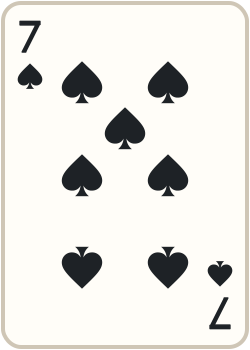
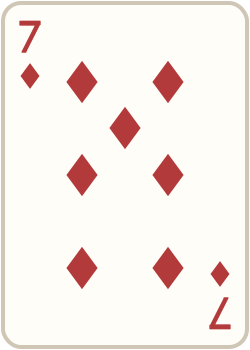
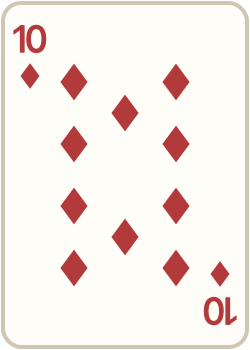
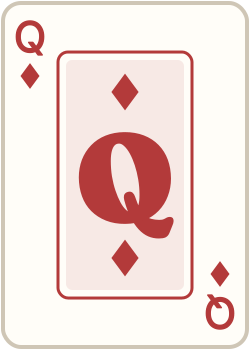
Every card in a meld: gin.
Here's a short hand from start to finish. You knock with three melds and a loose 3 of diamonds, so your deadwood is 3. Your opponent spreads their cards: a set of queens, a run of 5-6-7 of hearts, and a 7 of clubs, 9 of hearts, jack of hearts and 2 of diamonds. They lay off the 7 of clubs on your 4-5-6 of clubs and the 9 of hearts on your three 9s. Their deadwood is now the jack and the 2, which is 12. You have less, so you win the hand. The next section shows how many points that's worth.
When only two cards are left in the stock and nobody has knocked, the hand ends with no score, and the same dealer deals again.
Scoring
When a hand ends, both players count their deadwood. The defender counts after laying off. Only one player scores each hand.
When you knock and have less deadwood than your opponent, you score the difference. If you knock with 4 and your opponent is left with 19, you score 15.
When the defender ties or beats the knocker, it's an undercut. The defender scores the difference plus an undercut bonus of 10. A tie counts as an undercut, so knocking with 7 into an opponent's 7 gives them 10 points. This is the main risk of knocking early with several points of deadwood.
When you go gin, you score a gin bonus of 20 plus all of your opponent's deadwood. A gin hand can't be undercut, even if your opponent also has no deadwood.
Ending the game
The game ends at the end of the hand in which a player reaches 100 points or more. Then bonuses are added:
- Game bonus: the winner adds 100.
- Shutout: if the loser didn't win a single hand, the game bonus doubles to 200.
- Box bonus: each player adds 20 for every hand they won during the game. Box bonuses are added only at the end, so they never help you reach 100.
Say you finish with 104 points from five won hands, and your opponent has 61 from three. You get 104 + 100 + 5 × 20 = 304. Your opponent gets 61 + 3 × 20 = 121. Your margin is 183.
| Result | Classic value |
|---|---|
| Knock | Difference in deadwood |
| Undercut (tie or lower) | Difference + 10 |
| Gin | 20 + opponent's deadwood |
| Game to | 100 |
| Game bonus | 100 (200 for a shutout) |
| Box bonus | 20 per hand won |
Many groups use bigger bonuses of 25 each; see house rules and variants. Agree on your values before the first deal. The score keeper lets you change each one.
The score keeper below uses the classic values by default. Enter who ended the hand, how, and both deadwood counts, and it works out the hand and adds the game and box bonuses at the end.
Players and house rules
20 in the classic rules; many groups play 25.
10 in the classic rules; many groups play 25.
Added at the end; doesn't count toward the target.
Doubled if the loser didn't win a single hand.
| Round | Player 1 | Player 2 |
|---|---|---|
| No rounds yet. Enter the first round below. | ||
| Total | 0 | 0 |
Round 1
Your game is saved in this browser only, so a refresh won't lose it. Nothing is sent anywhere.
You can also open the gin rummy score keeper on its own page.
A worked example
These three hands use the classic values. Each one shows the knocker's hand after the final discard, then the defender's.
A knock with 6 against 17
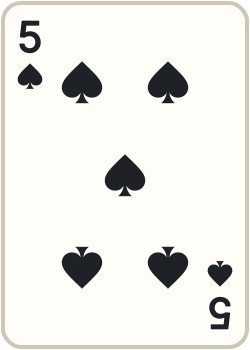
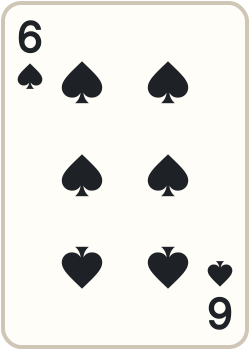
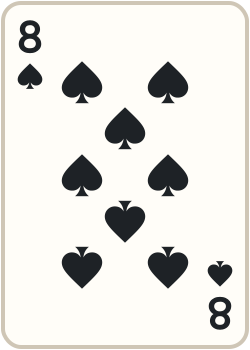
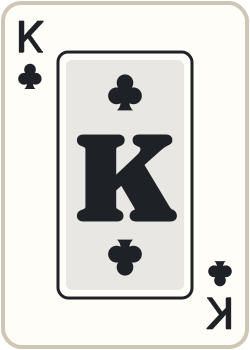
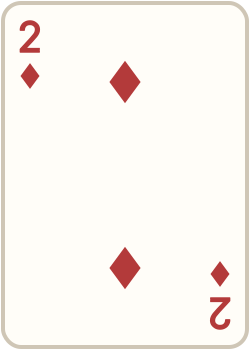
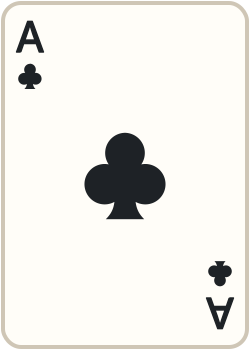
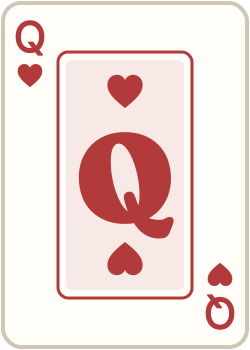
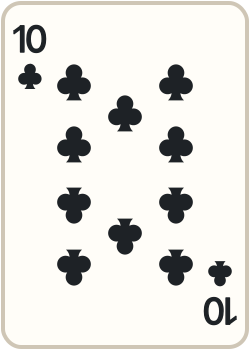
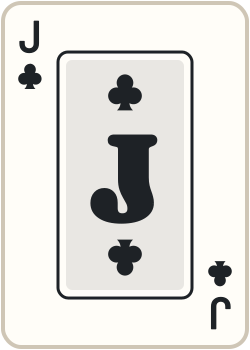
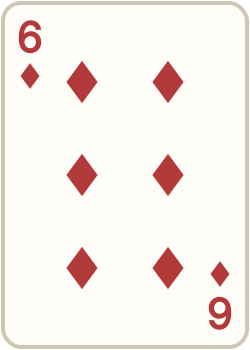
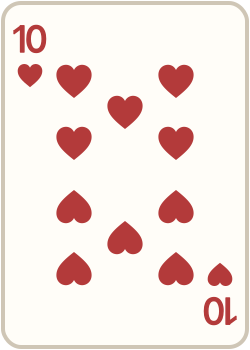
The knocker has 6 points of deadwood, so the knock is allowed. The defender lays off the 9 of spades on the knocker's 5-6-7-8 of spades. That leaves the 4 of hearts, 6 of diamonds and 7 of diamonds: 4 + 6 + 7 = 17. The 6 and 7 of diamonds are only two cards, so they aren't a meld.
The knocker has less deadwood and scores the difference: 17 − 6 = 11 points.
An undercut: 5 against 8
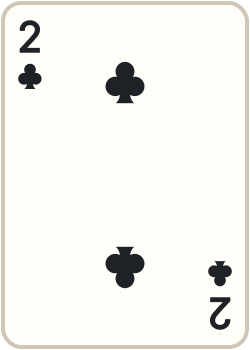
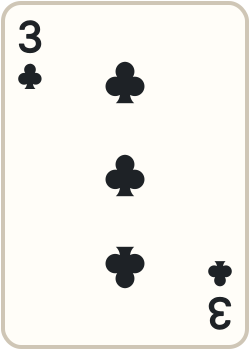
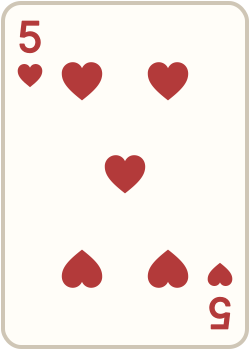
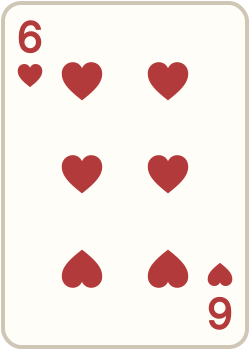
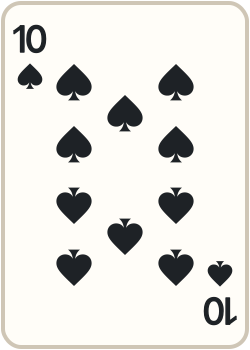
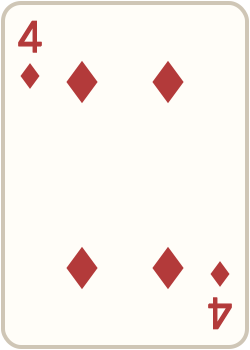
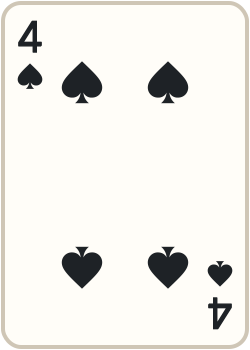
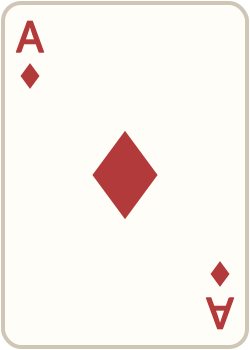
The defender lays off the 5 of clubs on the knocker's 2-3-4 of clubs. Their deadwood drops to the ace of spades and 4 of diamonds: 1 + 4 = 5.
Five is lower than the knocker's 8, so the defender undercuts. They score the difference plus the bonus: (8 − 5) + 10 = 13 points, and the knocker scores nothing. With the modern 25 undercut bonus, the same hand would be worth 28.
Gin against 23 points of deadwood
Against gin, the defender can't lay off anything. Their deadwood stays at 23. The player who went gin scores the gin bonus plus all of it: 20 + 23 = 43 points. With the modern gin bonus of 25, it would be 48.
House rules and variants
Strategy tips
- Count your deadwood every turn. Knowing the exact number tells you when you can knock and how risky it is. A knock with 2 is much safer than a knock with 10.
- Knock early when you can. In the first few turns your opponent's hand is usually still messy, so even a knock with 8 or 9 often wins. Later in the hand they've had time to tidy up, and an undercut becomes more likely.
- Throw high cards first. A loose king costs 10 points if your opponent knocks. A loose 2 costs only 2. Unless a high card is close to a meld, let it go early.
- Watch what your opponent picks up. If they take the 8 of hearts from the discard pile, they probably want 8s or hearts near it. Avoid throwing the cards that would help.
- Read their discards too. A rank or suit your opponent keeps throwing away is one they probably aren't collecting, so cards that match it are safer for you to discard.
- Keep flexible cards. A 7 of clubs next to an 8 of clubs and a 7 of diamonds can become part of a run or a set. Cards with two ways to grow are worth more than cards with one.
- Remember the layoffs. Before you knock, look at your melds from your opponent's side. A four-card run with open ends gives them more places to lay off than a set of four, which can't be extended at all.
FAQ
How many cards do you deal in gin rummy?
Ten to each player. The next card is turned up to start the discard pile, and the rest of the deck is the stock.
Can you knock with 10 points?
Yes. You can knock with 10 points of deadwood or less, counted after your discard. In Oklahoma gin the first upcard can set a lower limit for that hand.
Is an ace high or low in gin rummy?
Low only. A-2-3 is a run, Q-K-A isn't, and an ace counts as 1 point of deadwood.
What happens if the knocker and the defender have the same deadwood?
It's an undercut. The defender scores the undercut bonus, 10 in the classic rules or 25 in the modern ones, because the difference is zero.
Can you lay off on a gin hand?
No. Laying off is only allowed against a knock. Against gin, all your deadwood counts.
Do box bonuses count toward 100?
No. They're added after the game ends, along with the game bonus, so only points from hands decide who reaches 100 first.
Learn the bigger-table version in how to play rummy, try the partnership game in canasta rules, jump back to gin rummy scoring, or see all our tools.